About the Author
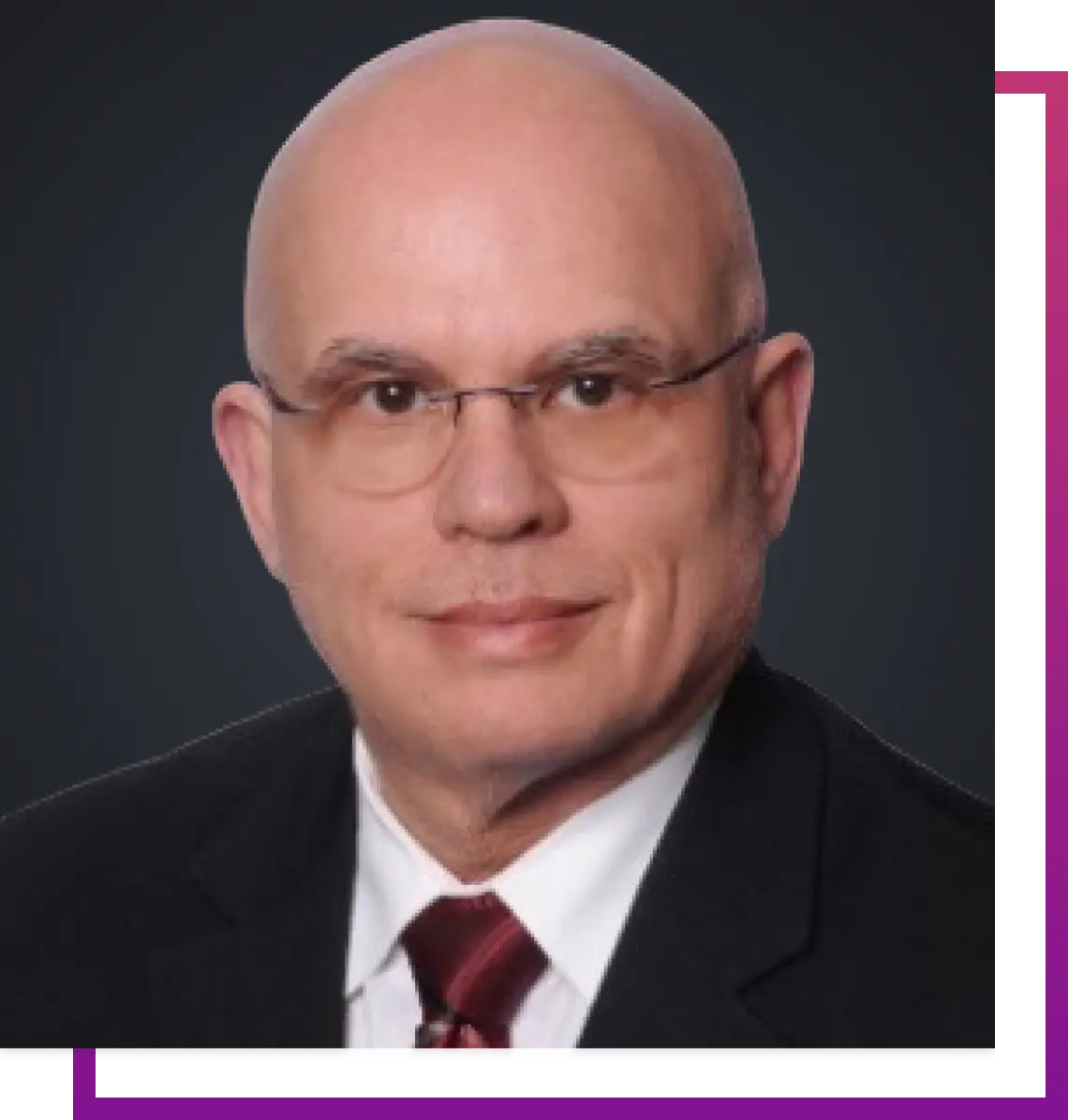
Dr. Enrique Fernandez
Dr. Enrique C. Fernandez has been practicing family medicine in Miami, Florida, for more than two decades. That is twenty years of sitting across from patients who are frustrated, confused, and tired of hearing the same vague advice. He knows what it sounds like when someone says, “I’m doing everything right and my numbers still won’t budge.” He also knows what it looks like when a patient finally understands the biology behind their disease and takes control of it.
He is board‑certified in family medicine and hospice and palliative care, a combination that gives him a clear-eyed view of both the long arc of chronic illness and the importance of quality of life right now. His practice is a community clinic in Olympia Heights, not a concierge office in a high‑rise. The patients he treats are real people with real jobs, real budgets, and real kitchens.
Before writing these books, Dr. Fernandez held nearly every leadership role a community physician can hold. He has been Chief of Medical Staff. He has chaired departments. He has sat on committees that decide how care gets delivered across entire health systems. He also earned an MBA, not to climb a corporate ladder, but because he understood early on that good medicine has to work inside a broken system, and someone has to know how to navigate both.
He has spent years teaching residents in family medicine and internal medicine programs. He knows how young doctors are trained to think about diabetes and he knows where that training falls short. The books in this series are, in many ways, the lectures he wishes he could give to every primary care physician in the country, and the explanations he wishes every patient could hear.
Dr. Fernandez is a Fellow of the American Academy of Family Physicians. The letters after his name represent a career of showing up, paying attention, and refusing to accept that “that’s just how diabetes progresses” is an acceptable answer.
The framework he developed, the Network Model of Hyperglycemic Damage, did not come from a research lab. It came from watching patterns emerge across thousands of patient visits. He noticed that two people with the same A1c could be heading toward completely different futures. He asked why. These books are his answer.